
Since moving back to the U.S., my husband and I have been feeling… off. Our energy levels are lower, we feel more sluggish, and we’ve both noticed weight gain, even though we haven’t really changed how much we eat. The truth is, our bodies have been struggling to adjust to the American food landscape after years of enjoying fresh, seasonal meals in Europe. What used to be easy and intuitive now takes so much effort. Here are the 10 biggest differences that shocked us!
1. Supersized Portions
Everything feels super-sized here. The CDC even found that portion sizes in the U.S. have quadrupled since the 1950s! In Europe, restaurant portions were just enough to feel full without being stuffed. Back in the U.S., meals often feel like they’re designed for two people. It’s delightfully overwhelming, and unless you’re consciously splitting meals or boxing half to-go, it’s easy to overeat.
2. Mystery Ingredients & Label Overload
One of the most jarring shifts has been realizing how different food standards are in the U.S. compared to Europe. Reading labels here feels like decoding a chemistry textbook. So many American products have long lists of preservatives, artificial dyes, and additives like potassium bromate, BHA, and titanium dioxide—many of which are banned in the EU.
Even fast food chains adapt to these standards. For example, McDonald’s in Europe uses fewer additives and cleaner ingredients because of stricter regulations. The difference in taste (and how we feel afterward) is noticeable. In Europe, we didn’t have to double-check everything at the store—there was more trust in the food supply. Grocery shopping here? It takes research, label-flipping, and extra trips to find cleaner options. It’s exhausting.
3. Looks Can Be Deceiving
Looks Can Be Deceiving American food is beautiful… almost too beautiful. But a shiny apple or massive strawberry doesn’t mean better quality. In Europe, produce was smaller, often less “perfect” looking—but packed with flavor. We miss strawberries that are actually sweet, not bland. And don’t get me started on chicken breast—why is it so pumped up and watery here?
4. Fast Food Culture
In Europe, grabbing fast food wasn’t as common—it wasn’t part of the daily routine. We loved browsing local bakeries in the mornings and stopping by bustling farmers’ markets on weekends. The environment itself made eating healthier feel effortless. The U.S. has three times more fast food spots per capita than most European countries, which definitely makes resisting temptation harder.
5. Late Dinners and Leisurely Meals
We were used to eating around 6:30 PM. In Italy? Most restaurants are closed from 2:30 PM until 7:30 PM. Dinner is typically a late-night event with larger crowds appearing around 8-10 PM. I remember many evenings in Vicenza, we wandered about the city looking for a last-minute place to eat at 6 PM, only to find most still closed! In Germany, dinners typically start earlier, but even so, meals are leisurely events. When you reserve a table at a German restaurant, they expect you to stay for hours—enjoying your food, drinks, and conversation without any rush. This relaxed dining culture was something we deeply appreciated and have tried to maintain back in the States.
6. Rethinking Breakfast
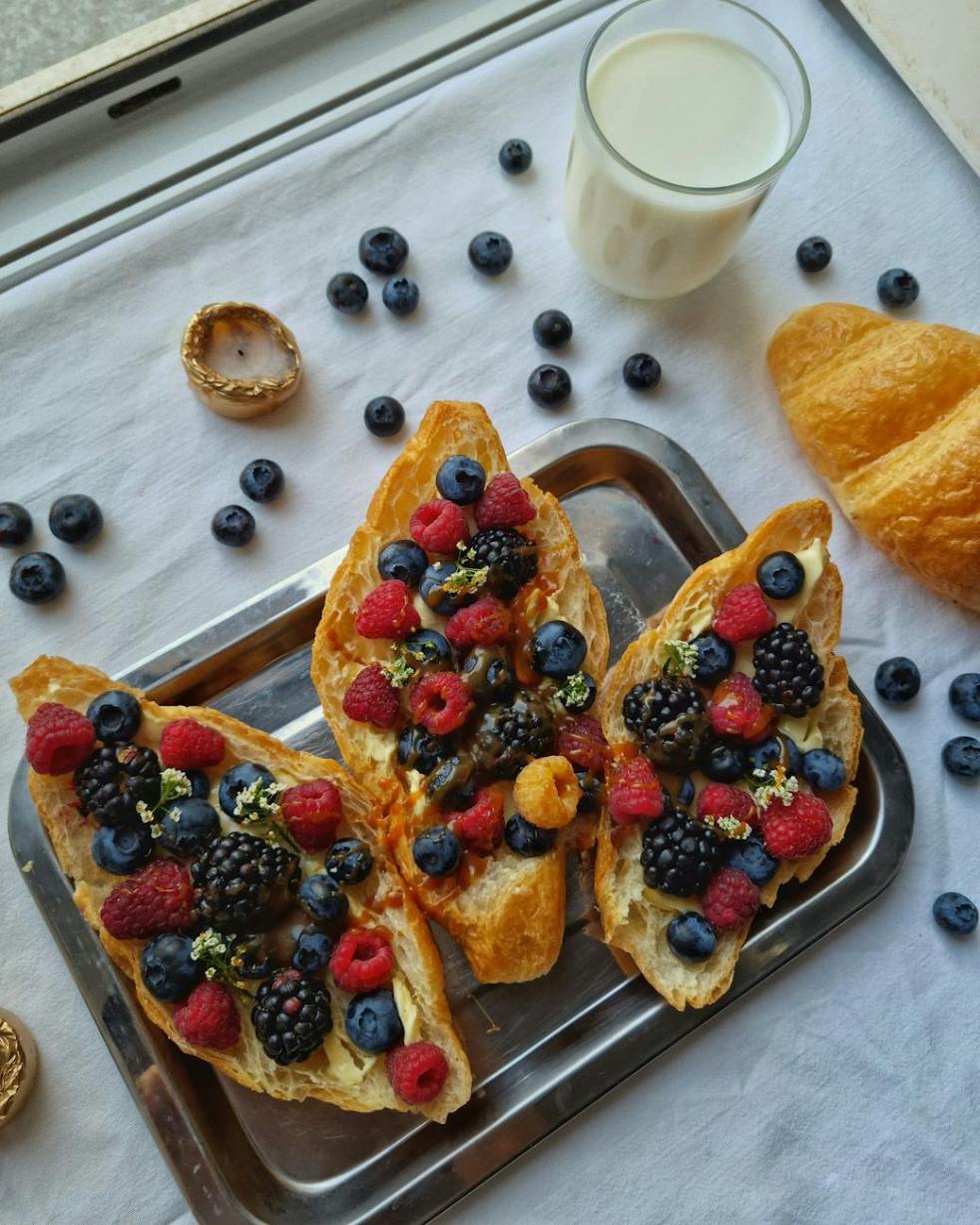
Rethinking Breakfast Finding a good American-style breakfast in Europe? A rare treat. Most mornings, we’d have a croissant or cold cuts with coffee. My husband missed pancakes so much that we often spent weekends perfecting homemade batches. Omelets and bacon were special treats we made ourselves or sought out in touristy cafés. It really made us rethink what we needed to start the day, teaching us that simple and lighter breakfasts could actually leave us feeling more energetic and less weighed down throughout the morning.
7. No Free Refills (and Water Isn’t Free Either)
This one took some getting used to. In Europe, water isn’t free, and it’s typically bottled, often in glass. You can forget free refills, too. But honestly, it helped us slow down and truly savor each drink instead of mindlessly guzzling it. This change also transformed how we viewed drinks overall. In the U.S., buying combo meals (which come with a free drink) often made us feel obligated to choose sugary beverages because selecting water felt like wasting money. After living overseas, where water wasn’t free, we continue to drink water with our meals without feeling wasteful. We’ve realized it’s ultimately a choice between investing in our health or paying the price later—one way or another, we’re paying.
8. Celebrating Seasonal Eating
We didn’t realize how much we took seasonal eating for granted until we moved back. In Europe, food just tasted better because it was grown nearby and sold when ripe. In the U.S., strawberries in January or peaches in March look fine, but taste… meh. Europe embraces what’s in season. Here, convenience and abundance often wins.
9. Working Harder for Health
In Europe, healthy options were everywhere. It felt natural. Here, we have to work for it—reading labels, driving farther to find better ingredients, spending more to avoid ultra-processed stuff. According to the WHO, the U.S. obesity rate is more than double that of the EU. Honestly, we’re feeling firsthand how much harder it is to stay healthy when the environment doesn’t naturally support it.
Conclusion
Coming home has been great in many ways, but food-wise? It’s been a challenge. We’re grateful for the choices available, but we miss the simplicity and quality of what we had in Europe. We’re now more intentional about what we eat, how we eat, and how food makes us feel. Slowly but surely, we’re finding a new balance, cooking more meals from scratch, and learning to recreate our favorite European dishes at home.
 Ayla Ellison